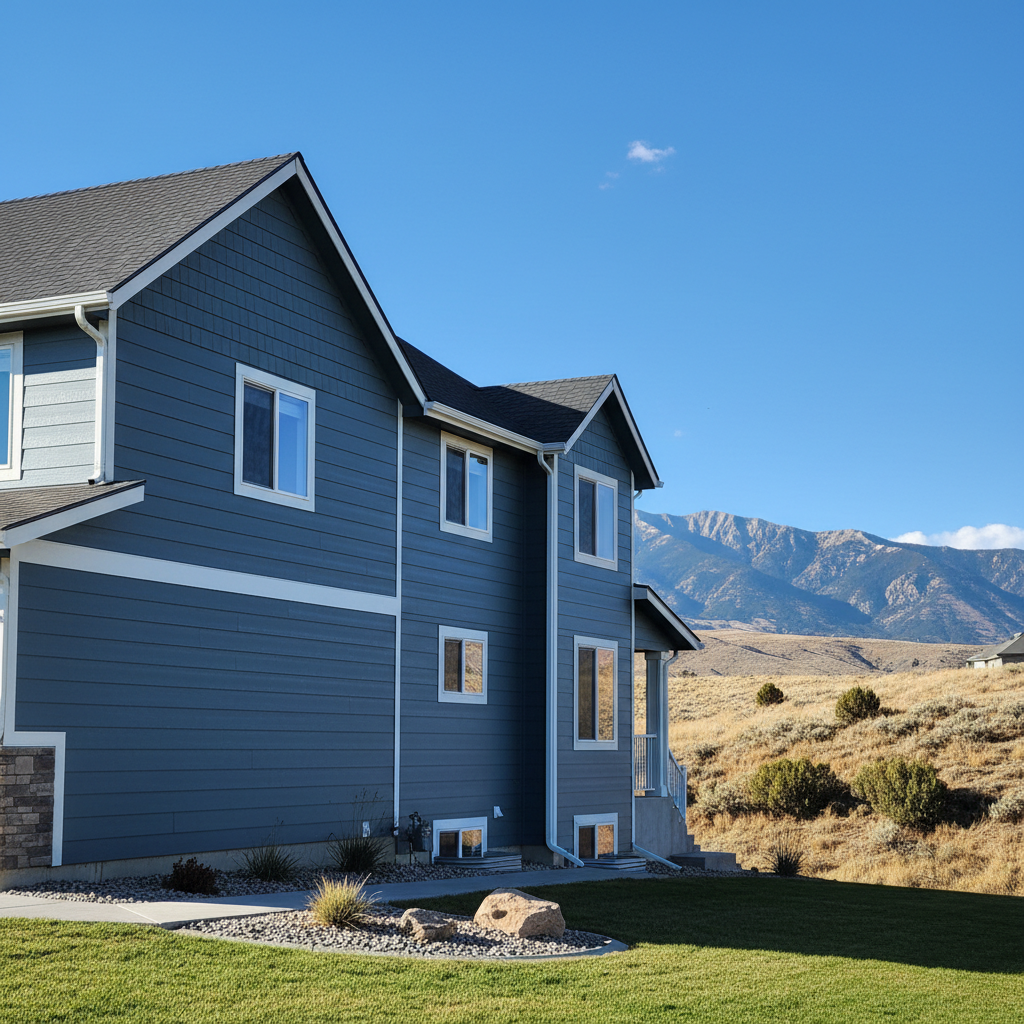
You invested in James Hardie siding, and that was a smart move. It's tough stuff, built to last, and honestly, it looks fantastic. But even the best materials need a little TLC to go the distance, especially here in Orem where we get everything from scorching summers to heavy snows and those wild temperature swings. You want to protect that investment, right? Let's get into what you need to do.
Extend Your Siding's Lifespan: It's Easier Than You Think
The biggest thing you can do to make your Hardie siding last isn't some secret trick; it's just consistent attention. Think of it like changing the oil in your car. You wouldn't skip that, would you? The same goes for your siding.
- Keep it Clean: Dirt, grime, and mildew don't just look bad; they can hold moisture against the siding, which isn't ideal over time. A good, gentle cleaning once a year, maybe twice if your home is shaded or near a lot of trees, makes a huge difference.
- Manage Moisture: This is huge in Utah, really. We get dry spells, but then we get snow that piles up against the house or sprinklers that hit the siding directly. Make sure your gutters are clean and draining properly, and that downspouts direct water away from your foundation and siding. Trim back shrubs and trees so they aren't constantly rubbing against the siding or trapping moisture.
- Watch Your Landscaping: Mulch beds that are too high can create a bridge for moisture or pests. Keep mulch at least 6-8 inches below the bottom edge of your siding. And those sprinklers? Adjust them so they're watering your lawn, not soaking your house.
Regular Maintenance: Your Annual Siding Check-Up
I tell all my customers, especially those with homes in older Orem neighborhoods like the ones around Cherry Hill, that a quick walk-around inspection a couple of times a year can save you a ton of headaches. Here's what you're looking for:
- Inspect the Paint: Hardie siding comes pre-finished or painted, and that paint is its first line of defense. Look for any peeling, chipping, or fading. Small touch-ups are easy; ignoring them can lead to bigger issues.
- Check Caulking and Sealants: Pay close attention around windows, doors, and corner boards. This is where water can sneak in if the caulk has dried out, cracked, or pulled away. Re-caulking these areas is a simple DIY fix that prevents a lot of trouble.
- Look for Gaps or Cracks: While Hardie is super durable, extreme temperature fluctuations can sometimes cause minor movement. If you see any small cracks or gaps, especially at seams, address them promptly.
- Clear Debris: Spiderwebs, bird nests, leaves, and other junk can accumulate in corners or behind trim. Clear it out. It's not just about aesthetics; it's about preventing moisture traps.
Warning Signs You Shouldn't Ignore
Sometimes, despite your best efforts, things happen. Knowing what to look for can prevent a small problem from becoming a major repair bill. If you spot any of these, it's time to pay closer attention:
- Warping or Bowing: Hardie board is designed to stay straight. If you see panels starting to warp or bow, it's a strong indicator of moisture intrusion or an installation issue.
- Soft Spots: Press gently on the siding, especially near the bottom edges or around windows. If it feels soft or spongy, that's a red flag for water damage.
- Discoloration or Stains: Dark streaks, especially below windows or corners, can mean water is running where it shouldn't be, or you have mildew growth.
- Pest Activity: Look for holes, nests, or other signs of insects or rodents. While Hardie is resistant to pests, they can still find ways in if there are gaps or damage.
- Excessive Fading: While some fading over years is normal, if one section is fading much faster than another, it might indicate an issue with the paint or prolonged exposure to harsh elements.
When to Call a Professional (Like Ace Siding Company)
Look, I'm all for homeowners doing what they can. But some things are best left to the pros. You should definitely give us a call if:
- You see significant damage: Large cracks, holes, or widespread warping aren't DIY fixes. Trying to patch these yourself often leads to more problems down the road.
- You suspect water damage behind the siding: If you're seeing signs of moisture inside your home, like stains on interior walls or ceilings, or if the siding feels soft and spongy over a large area, you need an expert to investigate the extent of the damage.
- You're unsure about the cause of a problem: Sometimes you see something weird, but you can't quite pinpoint what's going on. That's when a professional inspection can save you a lot of guesswork and potential misdiagnosis.
- It's time for a full re-paint: While touch-ups are fine, a full exterior repaint of Hardie siding requires specific primers and paints to maintain its warranty and performance. It's a big job, and getting it right is crucial.
- You're uncomfortable working at heights: Cleaning or inspecting upper stories can be dangerous. If you don't have the right equipment or experience, don't risk it.
Your James Hardie siding is a fantastic product, and with a little regular care, it'll protect your Orem home and look great for decades. Don't let small issues become big ones. A little proactive maintenance goes a long way, and when in doubt, don't hesitate to reach out to us at Ace Siding Company. We're here to help keep your home in top shape.