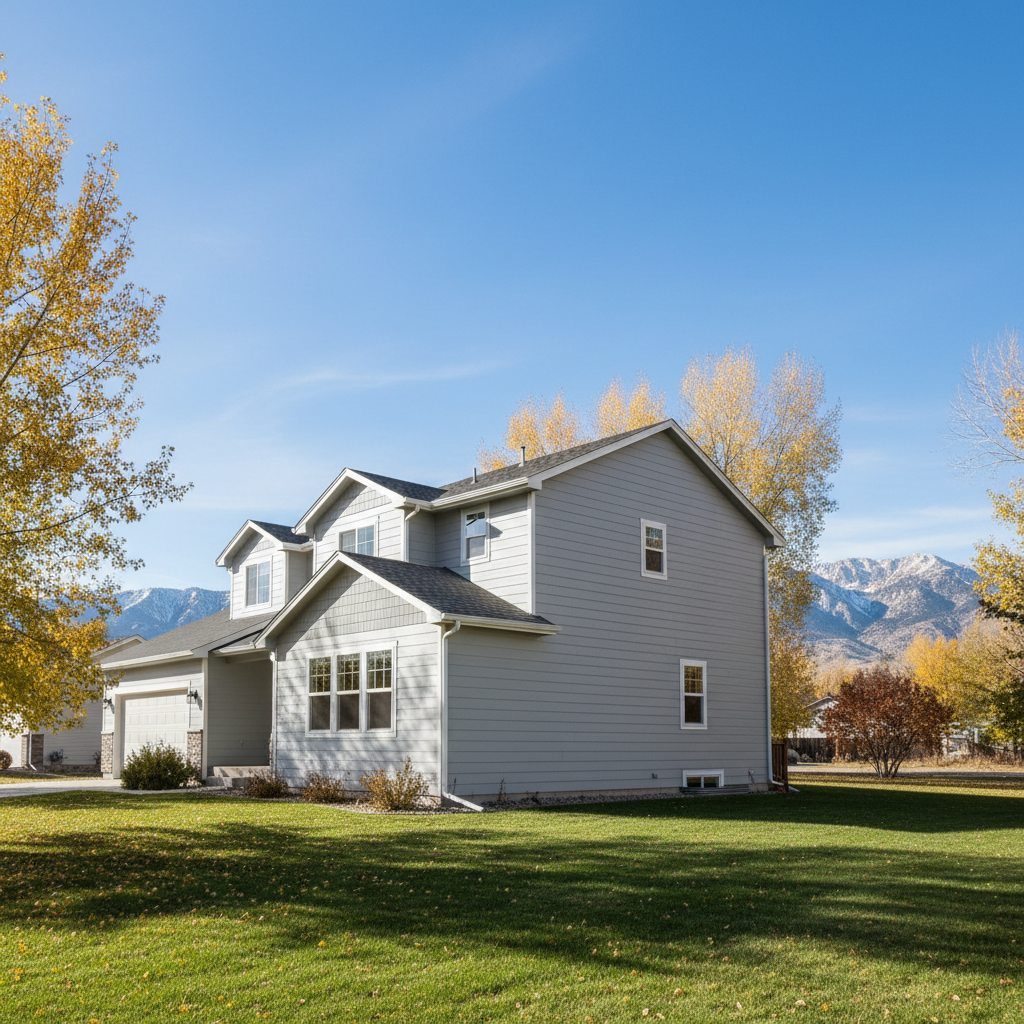
Alright, let's talk insulation. If you're living here in Orem, especially in some of those older homes around the Canyon View area, you know our winters can be brutal and our summers can bake you. Good insulation isn't just about comfort; it's about saving a chunk of change on your utility bills. Planning an insulation upgrade can feel like a big deal, so I wanted to give you a straightforward guide on what to expect, how to get ready, and what to ask.
Your Insulation Project Timeline
So, how long does this whole thing take? It really depends on your home's size and the kind of insulation you're going for. Generally, once you've decided to pull the trigger, here's a rough breakdown:
- Initial Consultation & Quote (1-3 days): This is when a pro comes out. They'll check your current insulation, look at your attic, walls, crawl space—whatever needs doing. They'll give you an estimate and explain your options.
- Scheduling (1-2 weeks out): Good contractors are usually booked a bit in advance. Don't expect them to start tomorrow, okay?
- Material Delivery (Day of or day before): We'll get the insulation materials to your place.
- Installation (1-3 days): For most homes, especially if we're just doing an attic or blowing in new insulation, it's a one-day job. If we're tackling walls, removing old insulation, or doing a whole-house re-insulation, that could stretch to two or three days. We're talking about a quick, efficient process here, not weeks of disruption.
What to Expect During Installation
When the crew shows up, they're going to be busy. Here's what you'll typically see:
- Prep Work: We'll lay down drop cloths and plastic sheeting to protect your floors and furniture. This is especially important if we're accessing the attic through a ceiling hatch. We're not trying to track insulation dust all over your place, after all.
- Access Points: For attic insulation, we'll use the existing attic access. For wall insulation, we might need to drill small holes in your exterior siding or interior drywall. Don't worry, we patch these up cleanly. If you've got brick, that's a different approach, but still totally manageable.
- Noise: Blowing in insulation, especially loose-fill, can be noisy. The machine that fluffs up the material makes a bit of a racket. It's not constant, but be prepared for some hum and whoosh.
- Dust: Even with all our precautions, there might be a little dust. We do our best to minimize it, but it's insulation, not a silent, dust-free magic trick.
- Cleanup: Once we're done, we do a thorough cleanup. We remove all debris and leave your home as tidy as we found it.
How to Prepare Your Home
You can help make the process smoother and quicker. Here's what I recommend:
- Clear the Path: Make sure the crew has a clear path to the attic access, crawl space, or any exterior walls we'll be working on. Move any furniture, boxes, or valuables that might be in the way.
- Secure Valuables: If you have anything fragile or sentimental near the work areas, it's best to move it to another room.
- Pets & Kids: Keep pets and small children away from the work area. It can be noisy and dusty, and we'll have equipment running.
- Parking: Ensure there's space for our work truck and equipment, ideally close to your home.
- Ask Questions: If you have any concerns before we start, ask! We're happy to explain things.
Questions to Ask Before You Sign That Contract
Before you commit to anyone, you need to be asking the right questions. Don't be shy. This is your home and your money:
- What type of insulation are you recommending and why? There's blown-in fiberglass, cellulose, spray foam, batts. Each has its pros and cons. You want to know you're getting the right fit for your home and our Orem climate.
- What's the R-value you'll be installing? R-value is the insulation's resistance to heat flow. Higher R-value means better insulation. Make sure it meets or exceeds local recommendations for our area.
- Are you licensed and insured? This is non-negotiable. You need to know they're legitimate and that you're protected if something goes wrong. Ace Siding Company, for example, is fully licensed and insured.
- Do you remove old insulation? If so, how much does that cost? Sometimes it's necessary, sometimes it's not. Get clarity on this.
- What's included in the cleanup? You want to know they're not just leaving a mess for you to deal with.
- What kind of warranty do you offer on the materials and labor? Good companies stand behind their work.
- Can you provide references? Any reputable contractor should be able to provide you with names of past clients.
- What's the total cost, and are there any hidden fees? Get a clear, itemized quote. No surprises.
Getting your home properly insulated is one of the best investments you can make. It'll keep you comfortable and save you money for years to come. Do your homework, ask the tough questions, and you'll be glad you did.