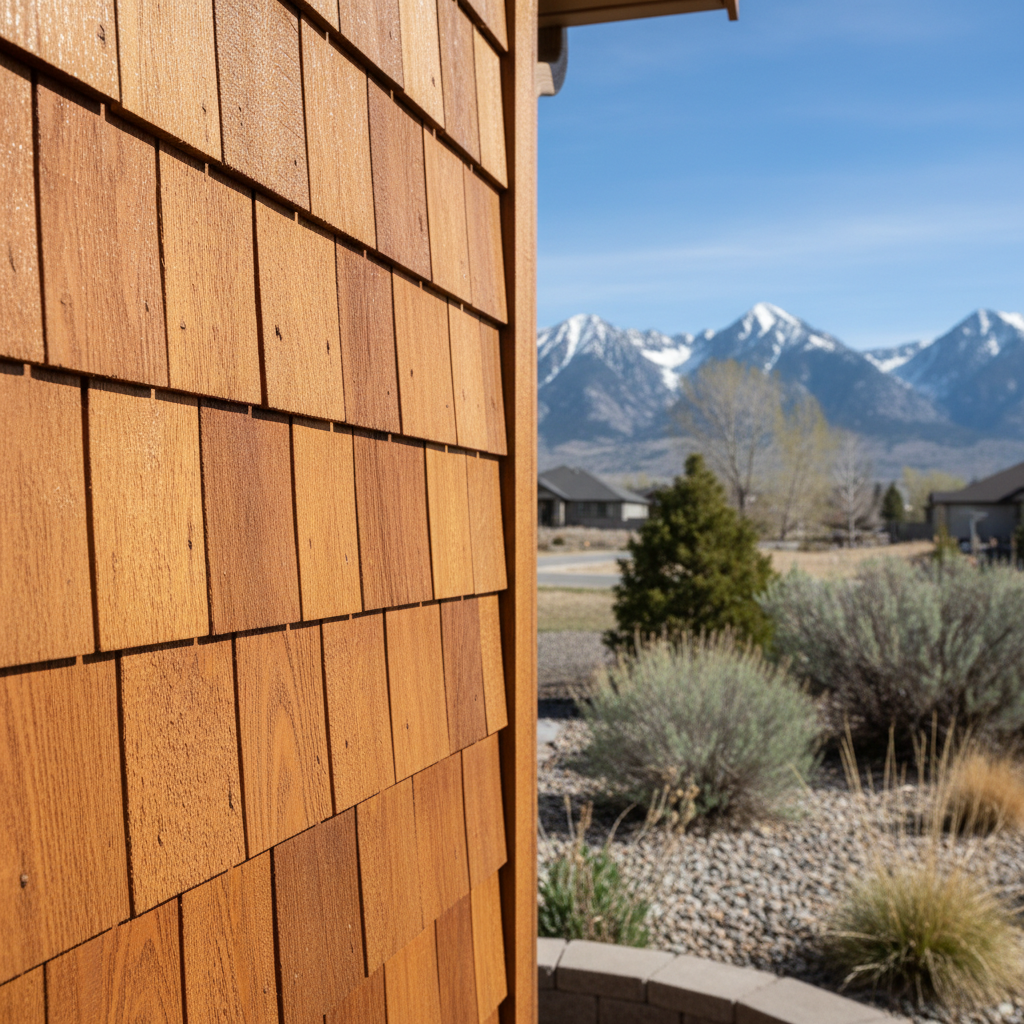
Your home's siding really takes a beating, especially here in Orem. Between the summer sun, those crazy winter inversions, and all the dust blowing off the mountains, it doesn't take long for it to start looking a little dingy. Cleaning your siding isn't just about curb appeal; it actually helps protect your investment. But can you just grab a hose and some soap, or is there more to it than that? Let's break down what you need to know before, during, and after cleaning your siding.
Before You Start: Prep Work is Key
First things first, what kind of siding do you actually have? This is crucial because what works great for vinyl might totally damage wood or fiber cement. Most homes around Orem, especially in newer developments like Vineyard or Saratoga Springs, have vinyl or fiber cement. If you've got older wood siding, you'll definitely need to be extra gentle.
- Inspect Your Siding: Take a walk around your house. Look for any loose panels, cracks, or rot. Cleaning can actually make these issues worse if you don't address them first. If you see significant damage, stop right there. You're not cleaning; you're repairing.
- Gather Your Gear: For most DIY jobs, you'll need a garden hose with a spray nozzle, a soft-bristle brush (one that attaches to an extension pole is seriously a lifesaver), a bucket, and a good siding cleaner. I always recommend an oxygen bleach-based cleaner for general grime and mildew. It's effective but gentler than chlorine bleach, which is a plus.
- Protect Your Plants and Property: This is super important, honestly. Cover any delicate shrubs, flowers, or garden beds near your house with tarps. Wet down the surrounding vegetation with plain water before you apply any cleaner, and rinse them again afterward. Move outdoor furniture, grills, and anything else you don't want getting wet or sprayed with cleaner. Turn off and cover any outdoor electrical outlets.
- Test a Small Area: Seriously, don't skip this step. Pick an inconspicuous spot, like behind a bush or on the back of your garage. Apply your cleaner, let it sit, and rinse it off. Make sure it doesn't discolor or damage your siding before you go all in.
During the Clean: Technique Matters
Alright, you've prepped. Now it's time to get to work. The biggest mistake I see homeowners make is grabbing a pressure washer and thinking more power means a cleaner house. Wrong. A pressure washer, especially if used incorrectly, can do a lot of damage.
For most vinyl or fiber cement siding, a garden hose is usually enough. Here's the drill:
- Start from the Bottom, Work Your Way Up (for applying cleaner): Apply your cleaning solution to a small section of siding, starting from the bottom and working up. This prevents streaking. Let it sit for the recommended time on the product label – usually 5-10 minutes. Don't let it dry on the siding.
- Scrub Gently (if needed): For stubborn dirt, mildew, or algae, use your soft-bristle brush. Scrub gently in small sections. You're not trying to sand the siding; you're just loosening the grime.
- Rinse from the Top Down: This is where the garden hose comes in. Use your spray nozzle and rinse thoroughly, starting from the top of the section you just cleaned and working your way down. Overlap your rinsing to make sure all the cleaner is gone.
- Work in Sections: Don't try to do an entire side of your house at once. Work in manageable sections so the cleaner doesn't dry before you can rinse it off.
When to Call a Pro (and Why)
So, when is it time to hang up the brush and call someone like Ace Siding Company? Here are a few scenarios:
- Mold or Mildew That Won't Quit: If you've got serious black mold or green algae that just laughs at your efforts, it might be embedded deeper or require stronger, specialized solutions that aren't safe for DIY use.
- High or Hard-to-Reach Areas: If you need a ladder to reach spots, especially on a two-story home, it's safer to hire a pro. Falling off a ladder isn't worth saving a few bucks, is it? We've got the right equipment and safety gear.
- Delicate or Damaged Siding: If your siding is old, fragile, or already showing signs of wear, a professional knows how to clean it without causing further damage. They can adjust pressure and cleaning agents to suit the material.
- You Don't Have the Time or Patience: Let's be honest, it's a big job. If you'd rather spend your weekend hiking up Battle Creek Canyon than scrubbing siding, that's a perfectly good reason to call us.
- Pressure Washer Temptation: If you're dead set on using a pressure washer, please, for the love of your siding, hire a professional. They know the right settings, tips, and techniques to clean effectively without blasting holes in your panels or forcing water behind your siding. That's how you get rot and mold inside your walls, and trust me, that's a much bigger headache and expense.
After the Clean: Keep it Looking Good
Once your siding is sparkling, do a final walk-around. Check for any missed spots or streaks. Let everything dry completely. To keep it clean longer, trim back any bushes or trees that are touching your siding. Good air circulation really helps prevent mildew growth. Regular, gentle cleaning every year or two will make the job much easier each time. Don't wait until it's really bad; a little maintenance goes a long way.