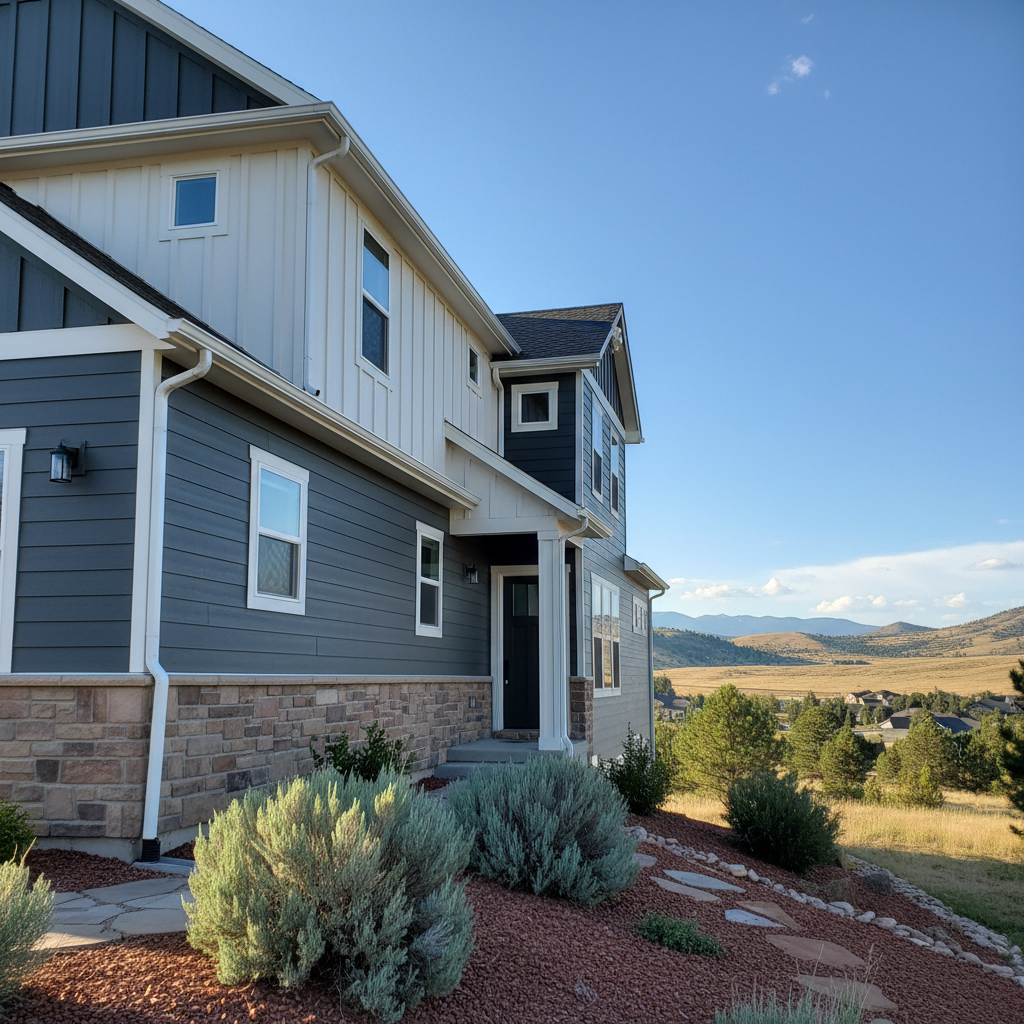
You need a siding inspection, right? Maybe you're selling your house, or you just noticed some weird bubbling on your stucco, or a storm rolled through and you're worried about that old vinyl. Whatever the reason, getting a good inspection is step one. But I've seen a lot of folks in Orem trip up right at the starting line, making mistakes that cost them time, money, and a whole lot of headaches down the road.
Mistake #1: Thinking Any Home Inspector Will Do
This is a big one. A general home inspector is great for a pre-purchase overview, sure. They'll check a lot of things. But when it comes to siding, especially here in Utah where we deal with everything from extreme sun exposure to heavy snow loads and those brutal freeze-thaw cycles, you need someone who really knows siding. I'm talking about someone who can spot the subtle signs of water intrusion behind stucco, identify dry rot in wood siding that's just starting, or tell the difference between a cosmetic dent and a structural issue in fiber cement. A general inspector might just note 'siding damage' and move on. You need specifics.
Mistake #2: Not Asking About Experience with Your Siding Type
Orem homes have all sorts of siding. We've got a lot of older brick and stucco in the established neighborhoods near UVU, plenty of vinyl in the newer developments, and a good mix of fiber cement and even some wood siding around the mountain-facing areas. Each material has its own quirks and common failure points. When you're calling around, ask directly: 'Do you have extensive experience inspecting [your siding type]? What are the typical issues you see with it in this climate?' If they waffle or give a generic answer, that's a red flag. You want someone who can talk shop about stucco weep screeds or the proper nailing patterns for vinyl.
Mistake #3: Going with the Cheapest Bid Without Checking References
Look, I get it. Everyone wants to save a buck. But a siding inspection isn't the place to cut corners. A cheap inspection often means a rushed job, missed details, or an inspector who's just trying to upsell you on unnecessary repairs. I've seen inspectors miss obvious signs of rot because they didn't even bother to probe suspect areas. Always ask for references, and actually call them. Ask about their experience, how thorough the report was, and if they felt confident in the findings. A good inspector will have a solid reputation and won't be afraid to share it.
Mistake #4: Not Understanding What's Included in the Inspection
Before anyone shows up, make sure you know what you're paying for. Will they use moisture meters? Do they get up on the roof to check flashing details? Will they inspect around all penetrations like windows, doors, and utility lines? Some inspectors only do a visual from the ground. That's not good enough, especially with our windy springs that can loosen things up. You need someone who's going to get up close and personal with every square foot of your siding. At Ace Siding Company, we make sure our inspections are comprehensive because we know what's at stake.
Mistake #5: Waiting Until It's Too Late
This isn't really a 'hiring' mistake, but it's a huge planning one. Don't wait until you see major damage like widespread peeling paint, crumbling stucco, or water stains inside your house. By then, the problem is usually much bigger and more expensive to fix. Regular inspections, especially after a rough winter or a big storm, can catch small issues before they become catastrophic. Think of it like getting the oil changed in your car – preventative maintenance saves you from a blown engine.
A proper siding inspection is an investment in your home's longevity and your peace of mind. Do your homework, ask the right questions, and don't settle for less than a true siding expert. Your Orem home will thank you for it.