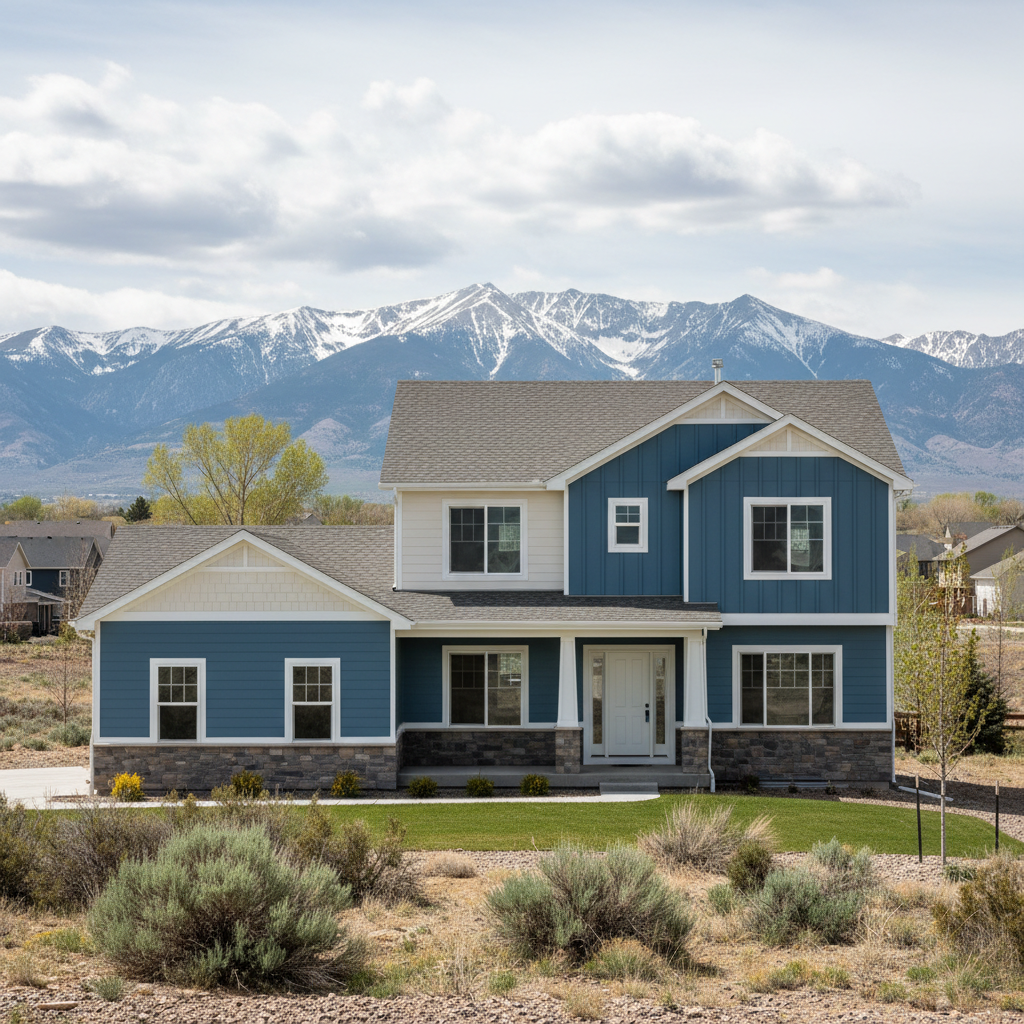
When's the best time to get new James Hardie siding installed here in Orem? That's a question I get a lot, and honestly, it's not as simple as picking a month off the calendar. Our Utah County weather has a mind of its own, and it really dictates when we can do the best work and how your siding will perform long-term.
Why Orem's Weather Matters for Hardie Siding
James Hardie siding is tough stuff, no doubt. It's designed to stand up to a lot, which is why we recommend it so often. But even the best materials need the right conditions during installation to perform at their peak. We're talking about temperature, moisture, and even wind, you know?
- Temperature Swings: Orem sees some pretty wild temperature swings. We get hot summers, cold winters, and those shoulder seasons where it can be 70 degrees one day and snowing the next. Hardie Plank is engineered to handle this, but during installation, extreme cold can make the material brittle. And extreme heat? That can mess with how sealants and paints cure. We're always aiming for that sweet spot, usually between 40 and 90 degrees Fahrenheit, for optimal handling and adhesion.
- Moisture is the Enemy (During Installation): This is a big one. While Hardie siding is incredibly moisture-resistant once it's up, you really don't want it getting soaked during installation. That means we're watching the forecast like a hawk. Heavy rain, or even persistent damp conditions, can compromise the substrate before it's properly sealed and painted. It's also just plain unsafe for my crew working on ladders.
- Wind: Our canyon winds, especially those strong gusts that whip through areas like the foothills near Timpanogos High, can make installing long siding planks a real challenge. Safety is always first, and trying to wrestle an 18-foot plank in high winds is asking for trouble, both for the crew and the material.
Best Times to Schedule Your Siding Project
So, considering all that, when's the prime time? I'd say you've got a couple of good windows:
- Spring (Late April to Early June): This is often ideal. Temperatures are usually mild, and while we can get spring showers, they're often predictable enough to work around. The ground isn't frozen, and the air isn't too humid. It's a busy time for us, so if you're thinking spring, get on our schedule early.
- Fall (September to Late October): Another fantastic window. The summer heat has broken, and the air is dry and crisp. We usually get a good stretch of stable weather before the real cold and snow hit. This is probably my favorite time to work.
- Summer (July and August): We definitely work in the summer, but you have to be prepared for the heat. We start early, take breaks, and make sure the crew stays hydrated. The main concern is making sure any paint or caulk has time to cure properly in the intense sun, which sometimes means adjusting our daily schedule.
- Winter (November to March): This is the toughest time. Freezing temperatures, snow, and ice make installation difficult and sometimes impossible. We can do small repairs or interior work, but a full siding replacement usually gets pushed until spring. Nobody wants to be working on a ladder in a blizzard, and you don't want your new siding installed in conditions that might compromise its longevity.
Ultimately, we're always going to prioritize doing the job right over doing it fast. If the weather isn't cooperating, we'll communicate that with you and reschedule. It's better to wait a few days for good conditions than to rush an installation that won't stand the test of time.
Protecting Your Hardie Investment Year-Round
Once your James Hardie siding is up, it's pretty low maintenance, but a little year-round attention goes a long way in protecting your investment:
- Keep it Clean: A simple rinse with a garden hose once or twice a year is usually all it takes to remove dust and dirt. For tougher spots, a soft brush and mild detergent work wonders. Just don't use a high-pressure washer too close; it can damage the finish.
- Watch for Water: Make sure your gutters are clean and draining properly, directing water away from your siding and foundation. Pooling water near your home is bad news for any siding, even Hardie. Check your sprinkler heads too – you don't want them constantly spraying your siding.
- Trim Those Shrubs: Keep bushes and trees trimmed back so they're not constantly rubbing against your siding. This prevents scratches and allows for good airflow, which helps prevent moisture buildup.
- Inspect Annually: Just take a walk around your house once a year. Look for any dings, cracks, or areas where caulk might be failing. Catching small issues early is key. If you see anything concerning, give us a call at Ace Siding Company. We're happy to come take a look.
Your home is a big investment, and choosing James Hardie siding is a smart move for Orem's climate. By understanding how our local weather impacts installation and doing a little preventative maintenance, you'll ensure your siding looks great and protects your home for decades to come.