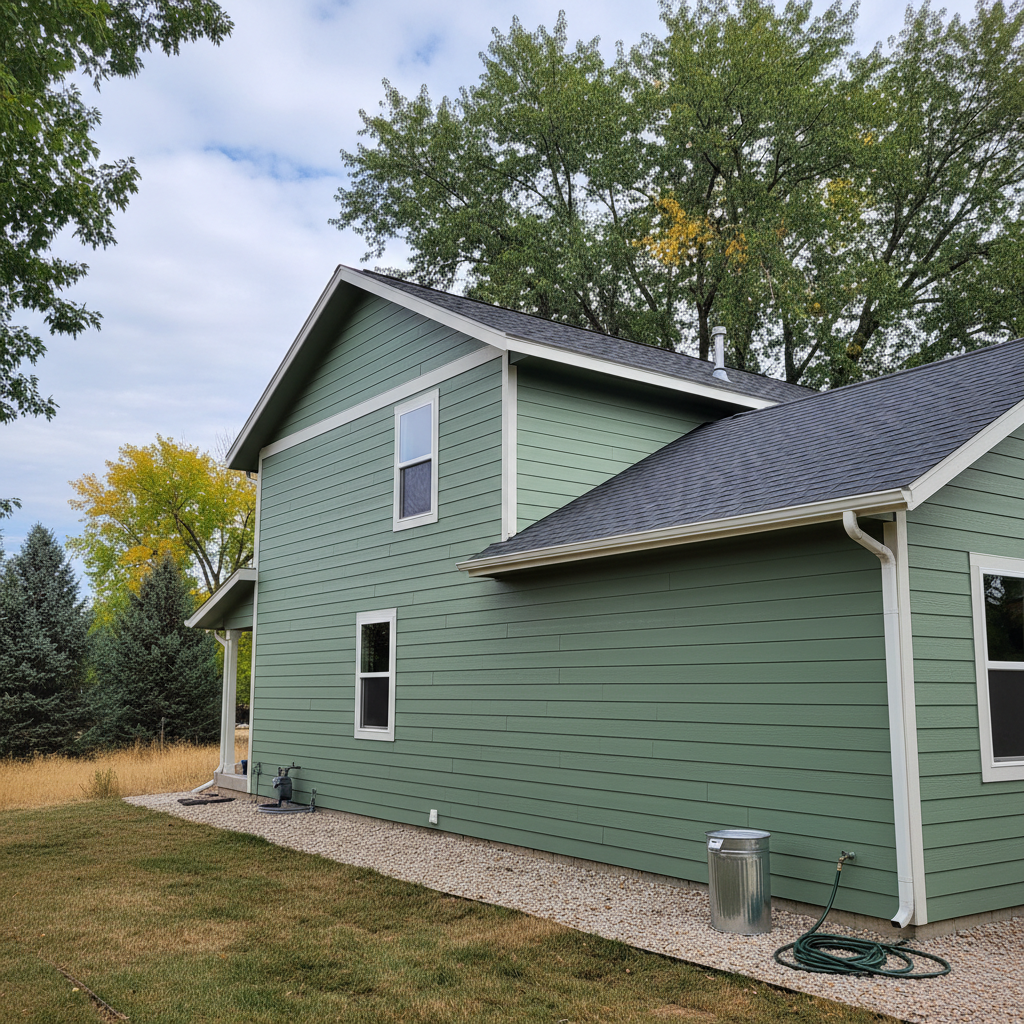
So, you just put new siding on your Orem home. Maybe it's fiber cement, vinyl, or even good old wood. Whatever you picked, that's a pretty big investment, and you want it to last, right? Of course you do. I've seen so many houses around the Timpanogos neighborhood and near UVU that could've gotten years more out of their siding if they'd just done a few simple things. It's not brain surgery, but it does need a little attention.
Keeping Your Siding Around Longer: It's All About Protection
Think of your siding as the main shield for your home against whatever Mother Nature throws its way. Here in Orem, that means blazing summer sun, heavy winter snows, and those wild temperature swings we get. To really make your new siding go the distance, you've got to protect it.
- Keep it Clean: This is probably the most important thing. Dirt, grime, pollen, even mold — it all builds up. That stuff doesn't just look bad; it can actually wear down your siding over time, especially if moisture gets trapped behind it. Usually, a gentle wash with a soft brush and a garden hose once a year does the trick. Just don't go crazy with a high-pressure washer unless you really know what you're doing; you could damage the siding or push water right behind it.
- Manage Moisture: Water is the enemy of any home's exterior. So, check that your gutters are clean and draining properly, pushing water away from your foundation and siding. Take a look at your downspouts too; if they're just dumping water right next to the house, you're asking for trouble. Also, trim back any bushes or trees that are constantly touching your siding. They can hold moisture against the surface and even scratch it up.
- Paint and Sealant Checks: If your siding is painted, keep an eye on the paint job. Chipping or peeling paint isn't just ugly; it exposes the siding material underneath to the elements. The same goes for any caulk or sealant around your windows, doors, and trim. These seals are super important for keeping water out.
Regular Maintenance: What You Should Be Doing
Beyond that big annual wash, there are some quick checks you should be doing a couple of times a year. I usually tell folks to take a walk-around in the spring after the snow melts, and then again in the fall before winter really sets in.
- Visual Inspection: Just walk around your house. Look closely. See any cracks, chips, or dents? Are any panels loose or bowing? Is there any discoloration that wasn't there before? Pay extra attention to corners, around windows and doors, and those spots that get a lot of sun.
- Check for Pests: Bugs and critters love finding cozy spots. Look for any signs of insect activity — holes, nests, droppings — especially around your eaves and vents.
- Inspect Caulking and Seals: This is seriously important. Caulk dries out and cracks over time. If you spot any gaps, it's time to re-caulk. This is a relatively easy DIY job that can prevent a ton of headaches down the road.
Warning Signs: When to Pay Closer Attention
Sometimes, problems pop up even with the best maintenance. Knowing what to look for can save you a lot of money and prevent bigger issues later on.
- Warping, Buckling, or Gaps: If your siding panels aren't lying flat anymore, or if you see noticeable gaps between them, that's a red flag. It could point to moisture damage, a bad installation, or even structural problems.
- Discoloration or Stains: Dark streaks, green patches, or rust-colored stains might mean mold, mildew, or water leaks. Don't just ignore them.
- Loose or Missing Panels: This one's pretty obvious, but sometimes a small section can come loose without you noticing right away. High winds, which we certainly get a fair bit of here in Utah Valley, can definitely play a role in this.
- Increased Energy Bills: While not a direct siding issue, if your energy bills suddenly jump, it could be a sign that your siding's insulation isn't working as well as it should, possibly because of water getting in or other damage.
- Interior Signs: Don't forget to look inside. Peeling paint, damp spots, or mold on interior walls near exterior walls are clear signs that water is getting in somewhere.
When to Call a Professional (Like Ace Siding Company)
Look, you can handle a lot of the basic maintenance yourself. But there are times when you really need to bring in someone who knows their stuff. Don't try to be a hero and tackle something that's beyond your skill level, especially when it means working up high or dealing with potential water damage.
- Extensive Damage: If you've got large sections of siding that are warped, cracked, or missing, it's time to call us. We can figure out the underlying cause and recommend the best repair or replacement plan.
- Suspected Water Intrusion: If you see signs of water getting behind your siding, whether it's interior leaks or persistent dampness on the exterior that just won't dry, get a professional inspection ASAP. Water damage can quickly lead to rot, mold, and structural problems that are way more expensive to fix later.
- Pest Infestations: You might handle a small wasp nest yourself, but if you suspect termites or other wood-boring insects are getting into your siding or the structure behind it, you need an expert.
- Before Repainting or Major Repairs: If your siding needs a full repaint or significant repairs, it's always a good idea to have a professional look at it first. They can spot any hidden issues that might affect how long the new paint or repair work lasts.
Your siding works hard protecting your home. A little bit of regular care really helps ensure it lasts. If you're ever unsure about something, or if you spot a problem that feels bigger than a quick DIY fix, just give us a call at Ace Siding Company. We're always happy to take a look and give you an honest opinion.