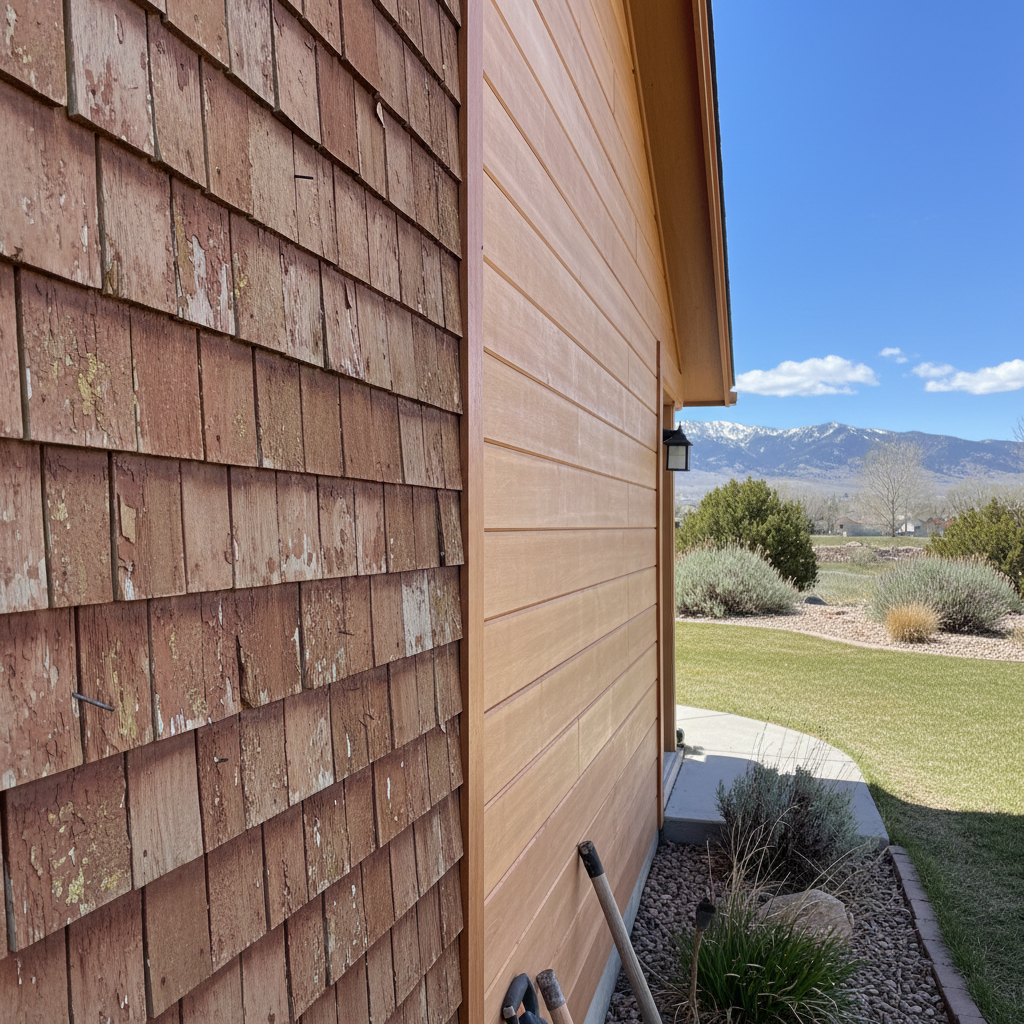
Alright, let's talk about wooden siding. If you've got it on your Orem home, chances are you've looked at it lately and thought, "What am I going to do with this?" It's a common question I get, especially with some of the older homes up by the university or over in the Canyon Crest area. You've got two main paths here: refinish what you've got or tear it off and put up new wood. Which one makes sense for you?
Refinishing Your Existing Wooden Siding
First off, refinishing. This sounds like the cheaper, easier option, doesn't it? Sometimes it is, but not always. Here's what goes into it:
- Inspection: Before you even think about sanding, you've got to check every single board. Are there soft spots? Rot? Warping? Split boards? If you've got widespread damage, especially from our freeze-thaw cycles here in Utah, refinishing might just be a waste of time and money. You'll need to replace those bad boards first, which, of course, adds to the cost.
- Preparation: This is the big one. You can't just slap new stain or paint over old, peeling stuff. You have to clean it thoroughly, usually power washing, and then let it dry completely. Then comes the scraping and sanding. This is labor-intensive work, whether you're doing it yourself or paying someone. Every square inch needs attention to get a good surface for the new finish.
- Application: Once prepped, you apply your new stain or paint. This usually means two coats for good coverage and protection.
- Cost: For materials, you're looking at cleaners, sandpaper, replacement boards, caulk, primer, and your finish coat. Labor is the real killer here if you're hiring it out. A good crew doing proper prep work isn't cheap. If you DIY, it's your time, and trust me, it's a lot of time.
- Durability & Maintenance: A good refinish can buy you several years, maybe 5-7, depending on the product and how exposed your siding is to our intense Orem sun. But it's not a permanent fix. You'll be back at it again down the road.
- Appearance: A fresh coat can make old wood look fantastic, bringing out the grain if you use a semi-transparent stain. But it won't fix deeply weathered or damaged boards perfectly.
Replacing with New Wooden Siding
Now, let's talk about replacing it all. This is a bigger upfront investment, but it often makes more sense in the long run.
- Removal: We strip off all the old siding. This gives us a chance to inspect the sheathing underneath, check for any hidden moisture damage or rot, and address it properly. We can also upgrade your house wrap for better moisture protection and energy efficiency.
- Installation: New wood siding goes up. You've got options here: cedar, redwood, engineered wood products designed to look like traditional wood. We're talking about fresh, clean boards installed correctly.
- Finishing: New wood needs to be primed and painted or stained. This can often be done more efficiently and effectively on new, clean surfaces.
- Cost: This is where the sticker shock can hit. You're paying for demolition, disposal, new materials, and installation. It's a significant investment. However, think about the long-term value.
- Durability & Maintenance: New siding, properly installed and finished, will last much longer than a refinish job – often 15-20 years or more before it needs major attention. The initial finish will hold up better because it's applied to a perfect surface. Maintenance will be simpler: regular cleaning and touch-ups as needed.
- Appearance: Brand new siding looks, well, brand new. It's crisp, uniform, and can dramatically boost your home's curb appeal and value. You get to pick exactly the style and finish you want.
My Takeaway for Orem Homeowners
Here's the deal: if your wooden siding is generally in good shape, maybe just a bit faded or with minor peeling, and you're comfortable with the idea of doing this again in 5-7 years, then refinishing might be a decent option. It's a way to kick the can down the road for a bit.
But if your siding is showing significant signs of age – widespread rot, warping, splitting, or if you're seeing a lot of areas where the finish is completely gone and the wood is weathered – then you're probably better off replacing it. Trying to refinish severely damaged wood is like putting lipstick on a pig; it might look okay for a minute, but the underlying problems are still there and will surface again quickly.
For most Orem homes, especially considering our climate with those hot summers and cold, snowy winters, new siding offers better long-term protection and value. You get a fresh start, improved insulation opportunities, and a much longer period before you have to think about it again. Plus, with new siding, you know the moisture barrier underneath is solid, which is crucial for preventing bigger problems down the line.
At Ace Siding Company, we've seen it all. We can come out, take a look at your specific situation, and give you an honest assessment of what we think makes the most sense for your home and your budget. Sometimes refinishing is a viable option, but often, especially with wood, replacement is the smarter play for lasting protection.