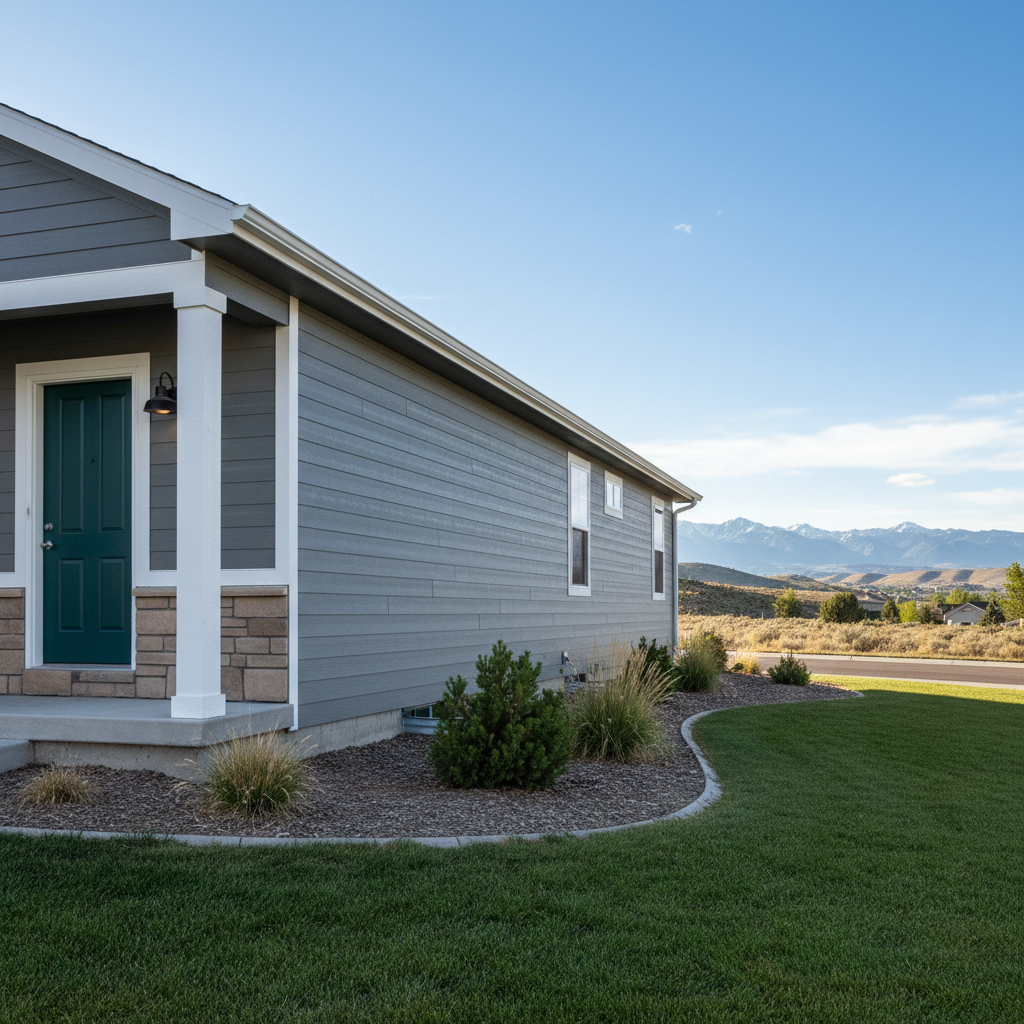
So, you just put new siding on your Orem home. Smart move! It’s one of the best ways to protect your biggest investment, make your house look great, and maybe even cut down on energy bills. But here’s the thing: just because it’s new doesn’t mean you can just forget about it. Think of it like a new car; you still need to change the oil, right? Your siding is no different. You want that work to last, and I’m going to tell you how.
Making Your Siding Investment Last Longer
The absolute biggest thing you can do to keep your new siding in top shape is pretty simple: keep it clean. Sounds basic, but it’s true. Dirt, dust, pollen, and even those weird green algae spots that pop up after a wet spring can really mess with your siding over time. They hold moisture against the surface, which can lead to staining, mildew, and even damage the finish. For most types of siding, a good rinse with a garden hose once or twice a year usually does the trick. If you’ve got tougher spots, a soft brush and some mild detergent (like dish soap) mixed with water will work. Just be careful with anything abrasive or high-pressure washers unless you really know what you’re doing and your siding manufacturer says it’s okay. You could strip paint or even damage the material if you’re too aggressive.
Another huge factor is your landscaping. I see this all the time, especially in older Orem neighborhoods with big, established trees. Bushes, trees, and even climbing vines that are too close to your house trap moisture and block airflow. That’s an open invitation for mold, mildew, and bugs. Keep all your plants at least six to twelve inches away from the siding. Trim back any branches that rub against the house, especially when it’s windy, because they can scratch or damage the surface. Oh, and make sure your sprinkler heads aren't constantly soaking your siding. Constant moisture is the enemy, truly.
Regular Maintenance: What You Should Be Doing
Beyond just cleaning and landscaping, there are a few other routine checks you should get into the habit of doing. I always suggest a thorough walk-around your house at least twice a year – once in the spring after the snow melts and again in the fall before winter really hits. Here’s what you’re looking for:
- Caulking: Check around windows, doors, and any spots where things poke through (like dryer vents or utility lines). Caulk dries out, cracks, and pulls away over time. If you see gaps, scrape out the old caulk and put down a fresh bead of exterior-grade sealant. This is super important for keeping water out.
- Gutters and Downspouts: Make sure they’re clear of leaves and debris. Clogged gutters overflow, sending water pouring down your siding and pooling around your foundation. That's a recipe for disaster, not just for your siding but for your whole house.
- Paint/Finish: If your siding is painted, look for any chipping, peeling, or fading. While modern finishes are tough, they're not invincible. Touching up small areas can prevent bigger problems later on.
- Fasteners: Every now and then, you might find a nail or screw that’s popped out a bit. Gently tap it back in. If it keeps popping, it could mean a bigger issue, but often it’s just a minor adjustment.
Our Utah climate, with its hot, dry summers and freezing winters, really puts exterior materials through the wringer. That constant expansion and contraction from temperature swings can seriously test your siding and its seals. That’s why these regular checks are so crucial here in Orem.
Warning Signs of Problems You Can't Just Ignore
Sometimes, despite your best efforts, things still go wrong. Here are the red flags that mean you’ve got a problem brewing:
- Cracks or Gaps: Beyond just caulk, if you see actual cracks in the siding material itself, or big gaps between panels, that’s a direct pathway for water.
- Warping or Buckling: Siding should sit flat against your home. If you see panels bowing out, buckling, or looking wavy, that’s a sign of moisture getting in, improper installation, or the material failing.
- Soft Spots: Press on the siding, especially near the bottom or around windows. If it feels soft, spongy, or gives way, you likely have rot underneath. This is serious stuff.
- Discoloration or Staining: Beyond just surface dirt, look for dark streaks, water stains, or persistent mildew that won't clean off. These often point to a leak from above or behind the siding.
- Pest Infestation: Small holes, tunnels, or sawdust-like material (called frass) could mean insects like carpenter ants or termites are making a home in or behind your siding.
When to Call a Professional
Listen, I’m a big believer in doing things yourself when it makes sense. But there are times when you really need to bring in the pros. If you see any of those major warning signs – significant cracks, warping, soft spots, or persistent leaks – don’t mess around. Water damage can spread quickly and become incredibly expensive to fix if you let it go. A professional can properly figure out what’s going on, whether it’s a flashing problem, a compromised vapor barrier, or actual siding damage. Sometimes, it’s a simple fix, but other times it needs more extensive repair or even partial replacement.
Also, if you’re not comfortable on a ladder, or if the repair means working at heights, it’s always safer to call someone like us at Ace Siding Company. We’ve got the right equipment and the experience to do it safely and correctly. Your safety and the integrity of your home are what really matter, after all. Don't wait until a small issue turns into a major headache, especially with our heavy Orem snowfalls and subsequent thaws that can really push water into any weak spots.